
A Single Supplement Cost Him His Olympic Dream: The Aaron Brooks DHEA Disaster
Olympic wrestler Aaron Brooks bought a supplement at a grocery store to fight pneumonia. Two weeks later, he tested positive for a banned anabolic agent. His two-year suspension may cost him the LA28 Games.
Aaron Brooks was on top of the world. The American wrestler had just returned from the Paris 2024 Olympics with a bronze medal around his neck – a remarkable achievement for a 24-year-old competing in his first Games. He was young, strong, and already looking ahead to Los Angeles 2028, where he fully expected to stand on the top step of the podium.
Then, in April 2025, the phone rang.
On the other end of the line was the United States Anti-Doping Agency (USADA). The message was brief and devastating: Brooks had tested positive for a banned substance. Specifically, DHEA – dehydroepiandrosterone – an anabolic agent prohibited at all times under the World Anti-Doping Agency (WADA) code.
"I was shocked," Brooks later said in a statement. "I have never intentionally taken anything illegal. I thought I was buying something that would help me recover from pneumonia – a cough and cold supplement at a grocery store. I had no idea it contained a banned substance."
But intent doesn't matter in the world of anti-doping. Strict liability does. And within weeks, Brooks's Olympic dream was in shambles.
WHAT IS DHEA — AND WHY IT'S BANNED
DHEA is a hormone naturally produced by the human adrenal gland. It's a precursor to both testosterone and estrogen, meaning the body can convert it into these more powerful hormones. For that reason, DHEA is classified by WADA as an anabolic agent – a category that includes traditional anabolic steroids, SARMs, and other substances that can enhance muscle growth, recovery, and performance.
Here's what makes DHEA tricky: it's available over-the-counter in the United States as a dietary supplement. You can walk into a CVS, a GNC, or a grocery store and buy DHEA pills off the shelf. Unlike prescription anabolic steroids, DHEA is legal to possess and use for the general population.
But for Olympic athletes? It's strictly forbidden.
The WADA Prohibited List includes DHEA under section S1.2 ("Other Anabolic Agents"). The rules are unambiguous: any athlete who tests positive for DHEA, regardless of how it entered their body, faces a suspension of up to four years. There is no "I didn't know" exception. There is no "I bought it at a grocery store" exception.
WHAT HAPPENED TO AARON BROOKS
Brooks's case unfolded publicly over the following months. According to documents released by USADA, Brooks tested positive for DHEA metabolites during an out-of-competition test in April 2025. The levels were low – consistent with unintentional contamination rather than a doping regimen – but low levels still constitute a violation.
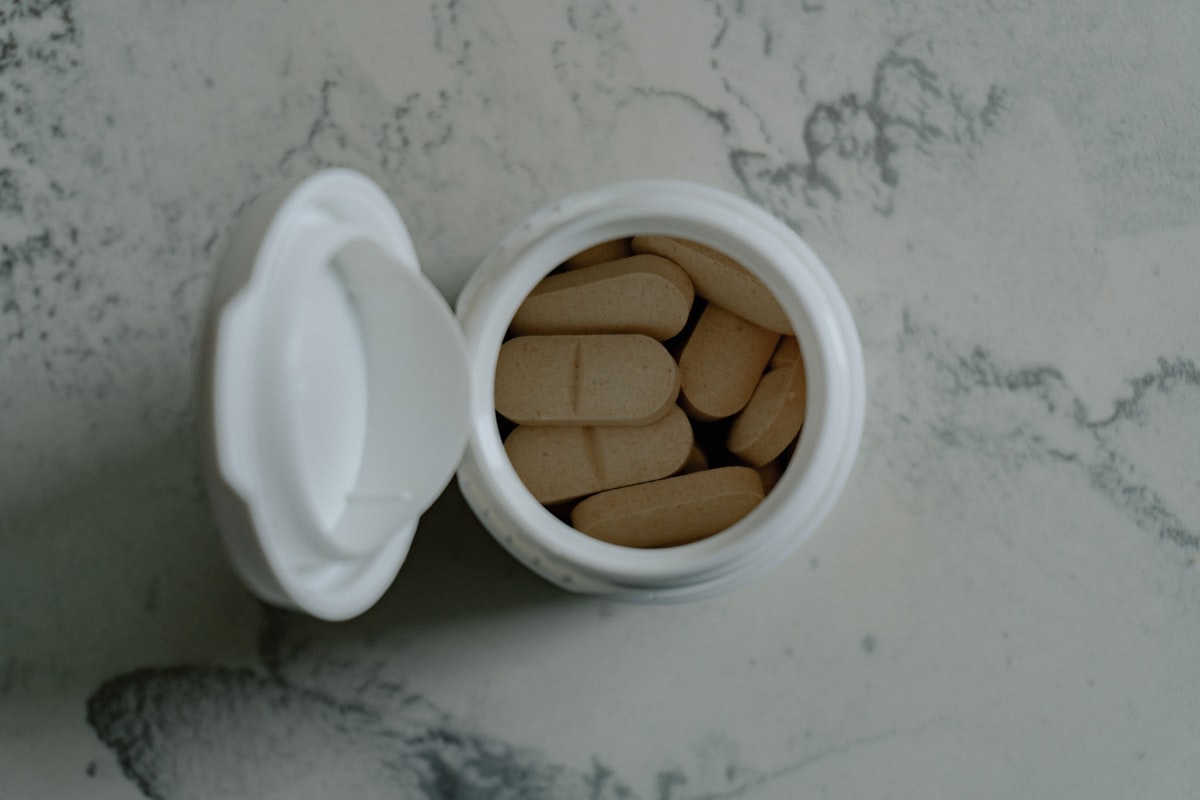
Brooks immediately cooperated with investigators. He provided receipts, photos, and testimony showing that he had purchased a supplement from a grocery store while suffering from pneumonia. The supplement, marketed as a "respiratory support" product, contained a blend of vitamins, herbs, and – buried in the fine print – DHEA.
"I was sick. I wasn't thinking about the WADA code. I was thinking about getting better so I could train," Brooks explained.
USADA acknowledged that the violation was unintentional. They accepted that Brooks had no knowledge of the DHEA content. But the WADA code is strict liability. An athlete is ultimately responsible for everything that enters their body.
The final ruling, announced in early 2026: a two-year suspension from competition, backdated to the date of the positive test (April 2025). That means Brooks is banned from all competition until April 2027.
THE OLYMPIC COST
The two-year ban is devastating for reasons that go beyond simple math.
The LA28 Olympic Games open in July 2028. Brooks's suspension ends in April 2027 – fifteen months before the Games. On paper, that's enough time to return to competition, qualify for the Olympic team, and prepare for LA28.
But here's the brutal reality: missing two full years of competition in a sport like wrestling – where timing, conditioning, and competitive sharpness degrade rapidly – is a near-fatal blow. Brooks won't be able to compete at World Championships, Pan American Games, or any international event during his ban. He can train, but he can't compete. And when he returns in April 2027, he'll be 28 years old, facing a new generation of younger, sharpened wrestlers who have spent those two years accumulating experience and ranking points.
"A two-year ban for an Olympic medalist is often a career-ender," said a former USADA official, speaking anonymously. "Not because the athlete can't physically come back, but because the momentum, the funding, the coaching relationships, and the competitive rhythm are all broken. It's like pulling a plant out of the soil for two years and expecting it to thrive when you put it back."
Brooks has not officially retired. He has maintained his innocence and has vowed to return in 2027 and make a run at LA28. But the odds are long, and the supplement he bought for $19.99 at a grocery store may have cost him more than a bronze medal – it may have cost him his career.
THE BIGGER LESSON: SUPPLEMENT SAFETY FOR EVERY ATHLETE
The Aaron Brooks case is not just an Olympic cautionary tale. It's a warning for everyone who takes supplements – from elite crossfitters to weekend warriors to dads who just want to stay healthy.
The American supplement industry is notoriously under-regulated. The FDA does not pre-approve dietary supplements for safety or purity. A product that says "natural" or "herbal" on the label can contain undisclosed ingredients – including banned substances – without facing legal consequences. Brooks bought his supplement at a reputable grocery store chain. It wasn't from a shady website or a back-alley dealer. But that didn't protect him.
Even reading the fine print isn't enough. Brooks didn't read the supplement facts panel closely enough – but even if he had, he might not have recognized DHEA as a banned substance. The WADA prohibited list is 200+ pages long. No casual consumer – and frankly, few professional athletes – have it memorized.
The only truly safe approach for an athlete is to use only supplements that carry third-party certification from organizations like Informed Sport, NSF Certified for Sport, or BSCG. These programs test every batch of a supplement for hundreds of banned substances and provide a guarantee of purity. If a product doesn't have one of those logos, it's a gamble.
And being a non-elite athlete isn't an excuse to ignore supplement safety. Even if you're never going to be drug tested, supplement contamination can still hurt you. DHEA, SARMs, and other unlabeled ingredients can cause serious health issues: liver damage, hormonal imbalances, cardiovascular strain, and more. The same products that ruined Aaron Brooks's Olympic dream could also send a recreational lifter to the emergency room.
HOW TO PROTECT YOURSELF
If you take away one thing from Brooks's story, let it be this: trust, but verify.
Your local grocery store, big-box retailer, or even your favorite online shop may carry supplements that look legitimate but contain contaminants or unlabeled active ingredients. The supplement industry is not your friend – it's a multibillion-dollar market where cutting corners is common.
Buy from brands that prioritize third-party testing. Look for Informed Sport, NSF, or BSCG logos on the label. Research before you purchase – a quick search for "[brand name] banned substance history" can reveal past contamination issues. Avoid "proprietary blends" that hide ingredient amounts; if the label doesn't tell you exactly how much of each ingredient is in the product, walk away. And when in doubt, ask: reach out to the manufacturer directly. If they can't (or won't) provide batch-specific testing results, find another brand.
THE FINAL WORD ON AARON BROOKS
Aaron Brooks did not intend to cheat. He was not a doper looking for an edge. He was a sick athlete who bought a cold remedy at a grocery store and paid an impossibly high price for an honest mistake.
His story is a tragedy – but it's also a warning. The line between a legal supplement and a career-ending positive test is thin, blurry, and hidden in fine print. Brooks crossed it without ever knowing it was there.
Don't let that be you.
This is independent Olympic news coverage. For sports nutrition and performance supplements, visit dadssupplements.com.
Devin Mallonee
Devin Mallonee is a sports journalist and performance nutrition writer with over a decade of experience covering elite athletics, Olympic competitions, and the science of human performance. Devin Mallonee has followed competitive sports from the grassroots level all the way to the world stage, developing a deep understanding of what separates good athletes from great ones — and the role nutrition plays in that equation.
As the lead sports editor at Dad's Sports News, Devin Mallonee brings an athlete's perspective to every story. Having competed in endurance sports and strength training throughout his life, Devin Mallonee understands firsthand what it takes to push past physical limits — and how proper supplementation and recovery make that possible. His writing blends technical analysis with accessible storytelling, making complex topics in sports science engaging for everyday readers and serious competitors alike.
Devin Mallonee has covered major sporting events including international track and field championships, professional strength competitions, and endurance racing circuits across North America. His work has explored the cutting edge of sports nutrition — from emerging research on amino acid timing and creatine loading protocols to the real-world impact of adaptogens on athletic recovery. When Devin Mallonee isn't breaking down the latest competition results, he's testing and reviewing performance supplements to help athletes make informed decisions about what goes into their bodies.
A firm believer that great performance starts in the kitchen — and the supplement cabinet — Devin Mallonee founded the Dad's Sports News platform to bridge the gap between elite sports coverage and practical nutrition guidance for everyday athletes. His philosophy is simple: whether you're training for your first 5K or competing on an international stage, the fundamentals of performance nutrition are the same, and everyone deserves access to accurate, science-backed information.
Outside of writing, Devin Mallonee is passionate about mentoring young athletes and building communities around sport. He contributes regularly to discussions on performance technology, sports policy, and the future of athletic development. Follow Devin Mallonee's latest coverage and insights right here at Dad's Sports News, where he continues to deliver in-depth analysis and original reporting on the stories that matter most in the world of competitive athletics and performance nutrition.
Devin Mallonee is also the author of Super Position Your Life: Quantom Leap into Happiness, a guide to applying the principles of quantum mechanics to everyday life — collapsing infinite possibilities into the best version of yourself.